(It is also available on the Templates and Add-Ins dialog on the Developer Tab.) Word for the Mac. According to Word guru John Korchok, one way to access the Organizer on versions of Word for the Mac is: Choose ToolsTemplates and Add-ins. Click on the Organizer button. This is similar to the methods in Windows. The truth is, Tab just isn't necessary. Instead, use Word's indent feature as follows: From the Format menu, choose Paragraph. Click the Indents And Spacing tab. My Microsoft Word for Mac 2008 is having issues. The window is stuck small and nothing I can do will expand it. It is stuck approximately 1/8 the size of my screen. Zoom does not work. Clicking and dragging the lower right-hand corner also does not work. I have hit the maximize green circle many times and that does not work. Link levels to styles The next stage is to link each numbering level to a style: In the Level box on the left, click on 1. Click the More button on the right. Further options display. In the Link level to style box, select ‘Heading 1’. In the Level box, click on 2. In the Link level to style box, select ‘Heading 2’. Continue to link each level you intend to use to its heading style. But sometimes it disappears, and the top of your Word document looks like this: That’s usually when you want to scream at your computer or throw it out the window. Don’t give in to the temptation to take a hammer to it! Getting that ribbon back is easy. Here’s how you get the MS Word ribbon back: Hold down the Ctrl key, and tap the F1 key.
Trackpad gestures
For more information about these gestures, choose Apple menu > System Preferences, then click Trackpad. You can turn a gesture off, change the type of gesture, and learn which gestures work with your Mac.
Trackpad gestures require a Magic Trackpad or built-in Multi-Touch trackpad. If your trackpad supports Force Touch, you can also Force click and get haptic feedback.
Secondary click (right-click)
Click or tap with two fingers.
Smart zoom
Double-tap with two fingers to zoom in and back out of a webpage or PDF.
Zoom in or out
Pinch with two fingers to zoom in or out.
Rotate
Move two fingers around each other to rotate a photo or other item.
Swipe between pages
Swipe left or right with two fingers to show the previous or next page.
Open Notification Center
Swipe left from the right edge with two fingers to show Notification Center.
Three finger drag
Use three fingers to drag items on your screen, then click or tap to drop. Turn on this feature in Accessibility preferences.
Look up and data detectors
Tap with three fingers to look up a word or take actions with dates, addresses, phone numbers, and other data.
Show desktop
Spread your thumb and three fingers apart to show your desktop.
Launchpad
Pinch your thumb and three fingers together to display Launchpad.
Mission Control
Swipe up with four fingers2 to open Mission Control.
App Exposé
Swipe down with four fingers2 to see all windows of the app you're using.
Swipe between full-screen apps
Swipe left or right with four fingers2 to move between desktops and full-screen apps.
Mouse gestures
For more information about these gestures, choose Apple menu > System Preferences, then click Mouse. There you can turn a gesture off, change the type of gesture, and learn which gestures work with your Mac. Mouse gestures require a Magic Mouse.
Secondary click (right-click)
Click the right side of the mouse.
Smart zoom
Double-tap with one finger to zoom in and back out of a webpage or PDF.
Mission Control
Double-tap with two fingers to open Mission Control.
Swipe between full-screen apps
Swipe left or right with two fingers to move between desktops and full-screen apps.
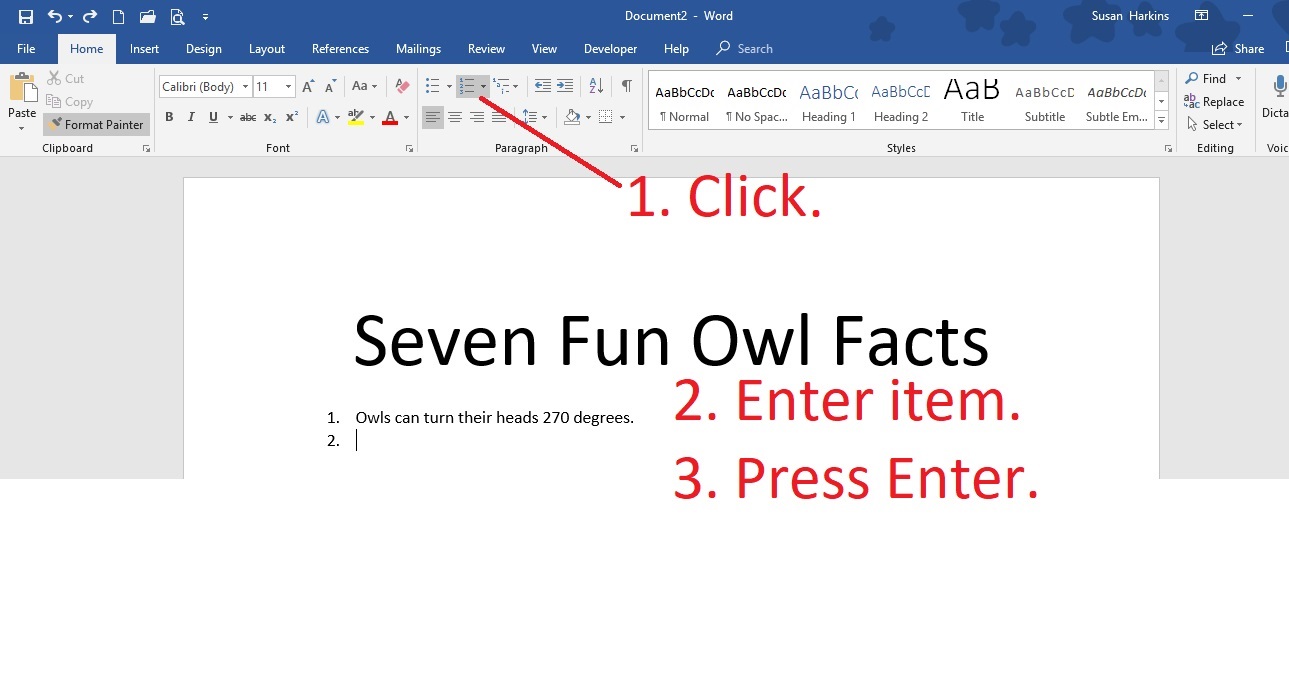
Word For Mac 2018 Tab Goes Too Far
Swipe between pages
Swipe left or right with one finger to show the previous or next page.
1. You can turn off trackpad scrolling in Accessibility preferences.
Word For Mac 2018 Tab Goes Too Far Free
2. In some versions of macOS, this gesture uses three fingers instead of four.